
Menu
Want to buy a used car in Florida? This guide covers everything you need to know: budgeting, researching, inspecting, and finalizing the purchase—whether you’re looking for a sedan, a rugged truck, a sporty convertible, a sleek coupe, or a practical hatchback. Let’s dive in.
With a wide variety of vehicles and sellers to choose from, you’ll find options to suit every preference and budget. Popular brands like Toyota are known for their reliability and are widely available in the Florida used car market.
Introduction to the Florida Used Car Market
Florida’s used car market is one of the most dynamic in the country, offering a vast selection of vehicles to fit every budget and lifestyle. Whether you’re searching for a reliable sedan, a rugged truck, or a sporty convertible, you’ll find plenty of options across the state. With so many dealerships and private sellers competing for your business, it’s possible to find great deals on quality used vehicles—if you know where to look.
When purchasing a used car in Florida, it’s important to understand how the purchase price is determined and how sales tax is applied. The sales tax is typically calculated based on the final purchase price of the vehicle, so be sure to factor this into your budget. Taking the time to research and compare prices across different sellers can help you find the best value for your money. By being thorough in your search, you can drive away with a car that meets your needs without overpaying.
Understanding Used Cars
Used cars are a popular choice for Florida drivers who want a dependable vehicle without the hefty price tag of something brand new. Choosing a used car can be a smart financial move, but it’s important to understand the different types of used vehicles available and what to look for during the purchasing process. By learning about the options and what makes each type unique, you can make a more informed decision and find a car that fits your needs and budget.
What Qualifies as a Used Car?
A used car is any vehicle that has had at least one previous owner and is now being offered for sale again, either by a dealership or a private seller. In Florida, you can purchase used cars from a variety of sources, including established dealerships, individual sellers, and online platforms. When considering a used car, pay close attention to factors like mileage, overall quality, and available financing options. It’s also important to evaluate the reputation of the seller to ensure a smooth and satisfactory purchase. Taking these steps can help you find a reliable vehicle that fits your needs and budget.
Types of Used Cars (Certified Pre-Owned, Lease Returns, etc.)
The used car market in Florida features several types of vehicles, each with its own set of benefits. Certified pre-owned cars are typically inspected and certified by the manufacturer or dealership, offering added peace of mind and a higher standard of quality. Lease returns are vehicles that have been leased for a set period and then returned to the dealership, often featuring lower mileage and newer features. Private party sales, where you buy directly from the owner, can sometimes offer the best deals, but they require more research and a careful inspection to ensure you’re getting a good vehicle. No matter which type you choose, taking the time to research and compare options will help you make a confident buying decision.
General Pros and Cons
Buying a used car in Florida comes with several advantages, such as a lower purchase price, reduced depreciation, and a wider selection of vehicles to choose from. However, there are also some drawbacks to consider, including the possibility of hidden issues, higher maintenance costs, and limited warranty coverage. It’s essential to do your research, be aware of your rights as a buyer, and take the time to find a vehicle that meets your needs. Florida law requires sellers to disclose certain information about the car’s history and condition, so make sure you review all documentation carefully. By staying informed and diligent throughout the buying process, you can enjoy the benefits of owning a used car while minimizing potential risks.
Key Takeaways
- Setting a realistic budget is fundamental when purchasing a used car, encompassing all associated costs such as taxes and fees to avoid financial surprises.
- Thorough research, including checking vehicle history reports and comparing models, is necessary to identify reliable options that meet budgetary constraints.
- Effective negotiation and understanding the required documentation are crucial for securing a fair price and ensuring a smooth transaction when finalizing a used car purchase.
Determine Your Budget
Setting a realistic budget is the cornerstone of a successful used car purchase. Before exploring the exciting world of used cars, understanding your spending limit is crucial. When estimating your monthly payments, consider the following factors:
- Sales tax
- Loan interest
- Title fees
- Registration fees
- Lien fees
- Government fees
These costs may not be included in the initial estimated payments but can significantly impact your overall money budget.
The estimated payment should serve as a guideline rather than a fixed amount. Knowing the starting price for used car listings in your area, such as $1,000 in Orlando, can help you set a realistic budget and understand the price range of available options. Carefully calculating your budget ensures that car payments remain within your financial means.
Calculate Purchase Price
When calculating the purchase price of a used car, it’s crucial to account for all associated costs. The total vehicle cost should include the purchase price along with taxes and any additional fees. This comprehensive approach ensures that you have a clear understanding of the financial commitment involved and can avoid any unexpected surprises.
Considering all financial aspects, including the initial purchase price, taxes, and fees, allows you to set a budget that aligns with your financial situation. This careful planning will pave the way for a smooth and stress-free buying experience.
Financing Options
Exploring different financing options is a crucial step in the car-buying process. Key points to consider include:
- Auto loans typically range from 2 to 7 years in repayment terms.
- Understanding these terms can significantly impact your budget when purchasing a used car.
- Dealer financing often carries higher interest rates compared to loans from banks or credit unions.
- It’s essential to compare different options to find the best deal.
There are various financing options available for purchasing a used car, including auto loans and dealer financing. Thoroughly researching and understanding the terms of each option helps you make an informed decision and ensures manageable monthly payments.
Research Used Cars

Thorough research is the foundation of a successful used car purchase. Before making any decisions, it’s essential to establish a monthly budget to ensure that your payments remain manageable. Limiting your car payments to around 20% of your post-tax monthly income is a good rule of thumb.
Dedicating time to researching used cars helps identify the best options that fit your budget and meet your needs. This process involves comparing different models, understanding their features, and evaluating their reliability and overall value. When researching, consider various body styles such as hatchbacks and coupes, and be sure to look into reliable brands like Toyota.
Vehicle History Reports
Checking vehicle history reports is a crucial step in assessing the quality and reliability of used cars. These reports provide valuable information about the car’s past, including any accidents, repairs, and title issues. In Florida, buyers have limited protections without a Lemon Law for used cars, making it even more important to thoroughly check the vehicle’s history.
Obtaining a comprehensive vehicle history report helps you avoid purchasing a car with hidden issues. This step is essential for ensuring that you invest in a reliable and well-maintained vehicle.
Compare Models and Prices
When comparing models and prices, it’s important to consider various factors such as mileage, condition, and vehicle history. Buyers should also compare different body styles, including hatchbacks and coupes, and look at popular brands like Toyota for a range of options. The price range for used cars in Orlando, FL, varies widely, from $1,000 to $89,900, offering options for all budgets. Listings include 207 great deals starting at $1,900 and prices beginning from $3,999.
Other listings feature 62 great deals at a start price of $5,900 and 36 great deals starting at $3,999. Comparing different models and their prices helps you find the best value that meets your needs and budget.
Find Reputable Sellers

Finding reputable sellers is essential for a smooth and trustworthy transaction when purchasing a used car. Many customers have reported great experiences with friendly service at the Auto Nation North Orlando dealership. Positive feedback often highlights the responsiveness and attentiveness of sales representatives, making the buying process more enjoyable. For more information or assistance, be sure to contact the dealership or your sales representative, and consider scheduling a visit to the dealership to see the vehicles in person.
Reputable sales representatives like Jose Rodriguez, Roberto Perrota, and Daniel Moritz are known for their effectiveness and customer support. Choosing a trustworthy seller ensures a positive buying experience and helps you avoid potential pitfalls.
Dealerships vs. Private Sellers
When buying used cars, you have the option of purchasing from dealerships or private sellers. Buying from a dealership usually involves a more structured purchasing experience with no sales pressure. However, many used vehicles are sold ‘as-is,’ meaning the buyer assumes all responsibility for the vehicle’s condition after purchase.
Both options have their pros and cons, and it’s essential to weigh them carefully before making a decision. Understanding the differences allows you to choose the option that best suits your needs and preferences.
Checking Reviews and Ratings
Reading multiple reviews and checking ratings can give a clearer picture of a seller’s reliability. Analyzing reviews helps buyers identify trustworthy sellers and avoid potential issues. This step is crucial for making an informed decision and ensuring a positive buying experience.
Researching and reading reviews helps you find reputable sellers who offer quality vehicles and excellent customer service.
Inspecting the Car
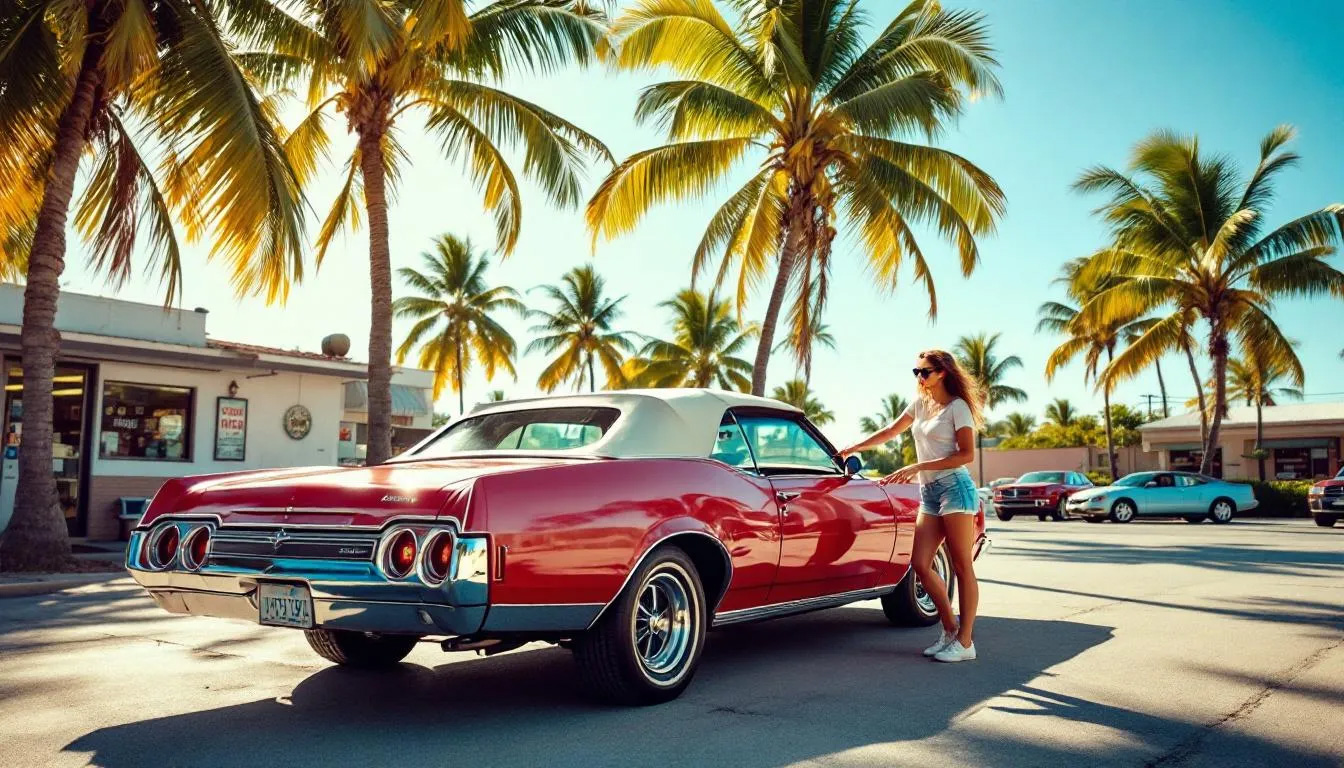
Inspecting the car thoroughly before purchase is essential to ensure you’re getting a reliable vehicle. Checking the car’s body for rust and paint inconsistencies is a crucial part of this process. A detailed inspection can reveal potential issues that may not be apparent at first glance.
Carefully examining the car helps you become aware of any problems and make an informed decision. Pay special attention to the condition of the tires, as worn or damaged tires can affect safety and may require costly replacement.
Exterior and Interior Inspection
When inspecting the exterior, look for rust and misaligned body panels, which can indicate past accidents or poor repairs. Gaps in body panels may also suggest previous collisions.
Conducting a thorough inspection is crucial when buying a used car, as it helps identify potential issues that may not be apparent at first glance. By carefully examining both the exterior and interior, you can ensure that the vehicle is in good condition.
Test Drive
Taking a test drive is an essential step in the car-buying process. During the test drive, ensure you:
- Check that the car accelerates smoothly without hesitation.
- Pay attention to how the vehicle handles.
- Evaluate the braking system.
- Listen for any unusual noises.
Thoroughly testing the car allows you to assess its performance and ensure it meets your expectations. This step is crucial for making an informed decision and avoiding potential issues.
Professional Inspection
Having a mechanic perform a pre-purchase inspection can identify serious problems not visible during a casual inspection. A professional mechanic can provide insight into potential hidden problems that an untrained eye might miss.
Addressing the issue found during a professional inspection is crucial for avoiding costly repairs down the line. Taking this step ensures that you invest in a quality vehicle.
Negotiating the Price

Negotiating the price effectively can result in significant savings when purchasing a used car. It’s essential to have clear communication and agreement on the final purchase terms to avoid misunderstandings.
Negotiating the price helps you get the best deal possible and make a smart investment. This step is crucial for maximizing your savings and ensuring a fair transaction.
Research Market Value
Understanding the market value of a used car is essential for negotiating a fair purchase price. Useful ways to assess the market value include:
- Using online pricing guides
- Checking local listings
- Comparing prices from similar models and conditions These steps help ensure you’re getting a fair deal.
Armed with accurate market value information, you can confidently negotiate the price with the seller.
Making an Offer
When making your initial offer, consider starting lower than your maximum budget, allowing room to negotiate. Researching the market value of the vehicle helps you determine a fair offer and strengthens your negotiation position.
Successful negotiation can lead to a lower purchase price and a successful deal. By evaluating counteroffers based on your research, you can make informed decisions and secure a fair price.
Finalizing the Purchase
To ensure a smooth purchase, buyers should conduct all necessary paperwork at a motor vehicle service center. Finding sellers with positive online ratings can ensure a trustworthy buy transaction.
Completing all required documentation and verifying the details allows you to submit and finalize the purchase confidently and without any satisfied issues.
Documentation Required
The title transfer document is crucial as it officially changes ownership from the seller to the buyer during the transaction. A bill of sale serves as a legal receipt of the transaction, detailing the car’s price and terms of sale.
Key documents needed include the title transfer, bill of sale, and any disclosures required by state law. Buyers need to verify the vehicle’s title to ensure the VIN matches before finalizing the purchase.
Understanding Warranty and Return Policies
Many used cars come with limited warranties, which can vary by dealer, so it’s crucial to understand what’s covered and for how long. Different types of warranties exist, such as full warranties and limited warranties, each offering varying levels of coverage.
Buyers should inquire about any warranties offered by the dealer, as they can vary significantly between sellers. Understanding warranty and return policies can provide added security for buyers.
Post-Purchase Tips

Routine maintenance is crucial for preserving the performance and longevity of your used vehicle. To keep your vehicle reliable, regular maintenance is essential and can prevent hefty repair bills.
Regularly inspecting your used car can help identify issues before they become costly repairs. Staying on top of maintenance tasks ensures that your vehicle operates efficiently and remains in optimal condition.
Regular Maintenance
The Mopar app helps keep you updated on your car needs, making it easier to manage maintenance tasks. Regular maintenance is crucial to keeping your car running smoothly and can prevent future problems. Staying on top of regular maintenance can help avoid costly repairs down the line, ensuring your vehicle operates efficiently.
Using maintenance tracking tools helps vehicle owner keep their cars in optimal condition.
Registering and Insuring Your Car
Necessary documents for vehicle registration typically include:
- The title
- Bill of sale
- Proof of insurance
- A valid ID
Registering and insuring your car is crucial for complying with Florida law and ensuring financial protection.
It is important to obtain proper insurance coverage to protect against liability and damage. Completing these steps ensures that your vehicle is legally registered and adequately protected.
Summary
Buying a used car in Florida can be a rewarding experience if approached with careful planning and informed decision-making. From setting a realistic budget to finalizing the purchase, each step plays a critical role in ensuring a smooth and successful transaction. By following this comprehensive guide, you can navigate the used car market confidently, finding the best deals and reliable vehicles that meet your needs.
In summary, remember to set a budget considering all costs, research thoroughly, find reputable sellers, inspect the car, negotiate effectively, and finalize all necessary paperwork. With these steps, you can enjoy the benefits of owning a used car while avoiding common pitfalls. Happy car hunting!
Frequently Asked Questions
What additional costs should I consider when buying a used car?
When purchasing a used car, it is essential to account for additional costs like sales tax, loan interest, title and registration fees, as well as any lien and government fees. These expenses can significantly impact your overall budget.
How can I verify the reliability of a used car?
To verify the reliability of a used car, obtain a vehicle history report to assess past accidents, repairs, and title issues. This critical step will provide you with essential insights into the car’s condition and history.
What are the advantages of buying from a dealership compared to a private seller?
Buying from a dealership offers a more secure and organized purchasing process, often with warranties and financing options, whereas private sellers may present lower prices but entail greater risks.
Why is a professional inspection important?
A professional inspection is crucial as it uncovers serious issues that may not be apparent in a casual check, ultimately helping you avoid expensive repairs in the future.
What documents are required to finalize the purchase of a used car in Florida?
To finalize the purchase of a used car in Florida, you will need the title transfer, bill of sale, odometer disclosure, proof of insurance, and payment of any applicable fees. These documents are essential to ensure a smooth transaction and legal ownership.