
Menu
Florida’s automotive market presents exceptional opportunities for car buyers, combining a diverse inventory with competitive pricing and unique tax advantages. Whether you’re a longtime resident, recent transplant, or seasonal visitor to the Sunshine State, understanding the local market dynamics—including how to sell your car in Florida for top dollar—can help you secure the perfect vehicle at a fair price. From bustling metropolitan dealerships in cities like Miami and Orlando (FL) to independent lots offering affordable options, Florida’s car buying landscape offers something for every budget and preference. Many dealerships in Florida also advertise ‘no dealer fees’ to attract buyers and reduce overall purchase costs.
The state’s year-round driving conditions, absence of state income tax, and robust dealer network create an environment where savvy buyers can find excellent deals. However, Florida’s unique climate considerations, hurricane risks, and market trends require specific knowledge to navigate successfully. Buyers can easily find and compare vehicles or complete transactions in Florida’s market, making the process straightforward and convenient. Inventory and prices can vary across different regions of FL, so it’s important to research local options. This comprehensive guide will help you understand where to shop, what to buy, when to purchase, and how to complete your transaction efficiently.
What are the best cities for car shopping in Florida?
Florida’s major metropolitan areas serve as the primary hubs for car shopping, with Miami, FL, Orlando, Tampa, Jacksonville, and Fort Lauderdale leading the market. These cities offer the highest concentration of dealerships, creating intense competition that typically results in better pricing for consumers.
Miami and Orlando particularly benefit from high population turnover and tourism, which contributes to a robust market for both new and used vehicles. The constant influx of residents means dealers maintain large inventories to meet diverse demands, while the tourism industry supports a healthy trade in rental car fleet vehicles entering the used market.
Jacksonville and Tampa leverage their active port facilities to support vehicle imports and used car trade, especially benefiting coastal and suburban communities. The large metro populations and constant in-migration mean inventory turns quickly, offering buyers frequent opportunities to find fresh vehicles that match their specific needs. Inventory and pricing may differ depending on demand, location, and other factors such as seasonality or local economic conditions.
South Florida’s prevalence of luxury vehicles and rapid lease cycles creates a steady supply of late-model used cars in excellent condition. This market dynamic makes these cities particularly attractive for buyers seeking premium vehicles at competitive prices, though availability and pricing can also be influenced by other factors like regional fees, vehicle condition, and local preferences.
What types of vehicles are popular in Florida?
Florida’s unique climate and lifestyle strongly influence vehicle preferences. SUVs, pickup trucks, and crossovers dominate sales, reflecting both family needs and the region’s susceptibility to severe weather that makes higher-clearance vehicles appealing for driving conditions during storm seasons. Many popular SUVs in Florida come equipped with third row seating, making them ideal for larger families or those needing extra passenger capacity. Certain vehicles are ideal for specific jobs, such as dependable work trucks for job sites or spacious SUVs for family transportation.
The Toyota RAV4, Honda CR-V, Ford F-150, and Chevrolet Silverado consistently rank among top sellers. These vehicles offer the versatile combination of reliability, functionality, and resilience that Florida drivers require. Floridians trust these models to reach destinations across the state, whether embarking on long road trips or evacuating during hurricanes, thanks to their proven performance over extended distances. The Toyota Camry and Corolla maintain strong positions in the sedan market, particularly among commuters and retirees seeking fuel efficiency.
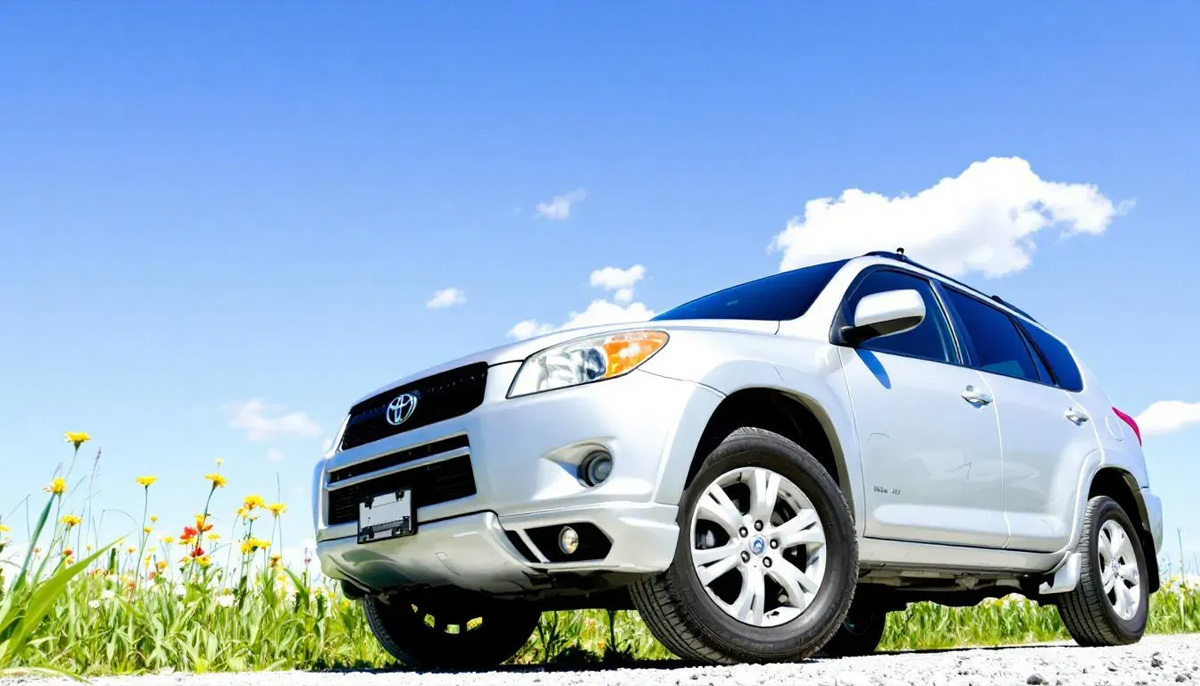
Convertible vehicles and luxury models experience steady demand, especially in coastal and tourist-centric areas where sunny weather prevails year-round. The state’s large retiree population supports demand for comfortable, feature-rich vehicles with amenities like heated seats, satellite radio, backup camera systems, and generous leg room for both drivers and passengers.
Hybrid models and electric vehicles gain increasing traction as Florida expands its charging infrastructure. The Toyota hybrid lineup and Tesla models particularly appeal to environmentally conscious buyers and those seeking to reduce fuel costs in the state’s extensive driving areas.
Where can I find affordable used cars under $5,000 in Florida?
Finding reliable used vehicles under $5,000 presents significant challenges in 2025’s market. The average used car listing price in Florida exceeds $25,000, with affordable vehicles under $15,000 at their lowest supply levels since 2021. This tight market requires strategic searching and realistic expectations about vehicle age and actual mileage, with pricing and availability often varying depending on factors such as location or vehicle condition.
The sub-$5,000 segment concentrates among older, higher-mileage vehicles typically sold by independent dealers, small used car lots, or private parties through classified platforms like Craigslist, Facebook Marketplace, and OfferUp. Sellers may offer to sell vehicles directly or through these platforms. These vehicles often exceed 100,000 miles and may require significant maintenance, making thorough inspections essential before purchase. It is highly recommended that buyers invest in a professional mechanic inspection to identify any hidden issues and ensure the vehicle is roadworthy. Some vehicles may also be subject to specific conditions, such as open recalls or limited availability.
Vehicles in this price range generally lack modern safety features, advanced connectivity options like Apple CarPlay or Bluetooth calling, and may have cosmetic issues from Florida’s intense sun exposure. However, patient buyers can still find serviceable transportation, particularly among reliable models like older Toyota and Honda vehicles known for their longevity.
Regional auction houses and wholesale dealers occasionally offer units at these price points, but competition remains strong among budget-conscious buyers. Success in this market segment requires flexibility regarding color, features, and minor cosmetic imperfections while maintaining focus on mechanical reliability.
What financing options are available for car buyers in Florida?
Florida’s competitive banking environment provides numerous financing options for car buyers across all credit spectrums. Franchise and independent dealerships typically offer financing through banks, credit unions, and captive finance arms, though buyers should compare these rates with independent sources, as rates and terms can vary depending on credit score, lender, and other factors. Some lenders and dealerships in Florida may also offer zero down payment financing for qualified buyers, making it easier to purchase a vehicle with minimal upfront costs.
Credit unions and community banks generally provide the most favorable terms, offering APR rates as low as 2.9-4.5% for new vehicles and 5-8% for used cars for buyers with good credit. These institutions often provide more personalized service and flexible terms compared to larger national lenders, but actual rates and eligibility may vary depending on the buyer’s financial situation.

Buy Here, Pay Here (BHPH) dealers cater specifically to buyers with poor credit but typically charge higher interest rates and require larger down payments. While these dealers offer accessibility to financing when other options aren’t available, buyers should carefully review terms and ensure they can support the payment structure, as approval and rates may vary depending on individual circumstances.
Online lending platforms like LendingTree and LightStream help shoppers pre-qualify and compare rates before visiting dealerships. This approach provides leverage during negotiations and ensures buyers understand their financing options before committing to a specific vehicle or dealer.
When is the best time to buy a car in Florida?
Strategic timing can yield substantial savings when shopping for cars for sale in Florida. The most advantageous periods typically occur at the end of the month, quarter, and calendar year when dealers push to meet sales targets and qualify for manufacturer incentives. Dealer incentives, such as cash rebates or special financing rates, can further enhance savings during promotional periods. The best time to buy may vary depending on dealer quotas, manufacturer incentives, and other factors that influence pricing and availability.

Holiday weekends including Memorial Day, Labor Day, Black Friday, and Presidents Day feature aggressive promotions and factory-backed incentives. These periods often coincide with special financing offers and rebate programs that can significantly reduce the purchase price. Please note that these offers may be subject to availability or specific terms.
Late summer and early fall present opportunities as new model years arrive and dealers discount outgoing inventory. Florida’s high-volume sales environment and stable year-round climate mean price fluctuations relate more to national manufacturer incentive cycles than seasonal weather patterns.
End-of-month timing proves particularly effective in Florida’s competitive market, where dealers maintain high monthly quotas. Buyers who can complete transactions during these periods often find dealers more willing to negotiate on price, trade values, and financing terms to close deals.
What documents do I need for vehicle registration in Florida?
Florida requires specific documentation to complete vehicle registration, and gathering these materials beforehand streamlines the purchase process. Essential documents include proof of identity through a valid driver’s license or state-issued ID, plus proof of Florida insurance meeting minimum requirements of $10,000 Personal Injury Protection (PIP) and $10,000 Property Damage Liability (PDL).
The completed Bill of Sale and vehicle title endorsed by the previous owner are crucial for used car purchases. Vehicles less than 10 years old require an odometer disclosure statement, while vehicles previously titled out-of-state need VIN verification through the Florida Department of Highway Safety and Motor Vehicles (FLHSMV).

Some registration requirements may be subject to change or specific conditions, so it is important to check with FLHSMV for the most current information.
Buyers must complete Form HSMV 82040 (Application for Certificate of Title With/Without Registration) and pay applicable fees including title, registration, new tag fees, and sales tax. These documents must be submitted to FLHSMV or an authorized tag agency within 30 days of purchase to avoid penalties. Buyers will typically receive a temporary tag to use while waiting for their permanent registration and license plates.
Having all documentation prepared before visiting the dealership or completing a private party purchase prevents delays and ensures smooth transaction completion. Many dealers offer assistance with paperwork completion, but understanding requirements helps buyers verify all steps are properly completed.
How does Florida’s climate affect car buying decisions?
Florida’s hot, humid, and hurricane-prone climate creates unique considerations that significantly impact vehicle selection and condition assessment. Air conditioning reliability becomes a top priority, especially when evaluating older used cars where AC systems may require expensive repairs.
Sun exposure presents ongoing challenges, as prolonged UV radiation degrades paint, upholstery, and dashboards. Buyers should prioritize vehicles with good interior condition and consider investing in window tinting and sunshades to maintain their purchase. Florida’s intense sunlight makes covered parking and garage storage valuable features. In this climate, it may be necessary to change or replace components like weatherstripping, dashboards, or faded paint more frequently, depending on how and where the vehicle is used.

Flood risk represents a critical concern, particularly following major storms or hurricanes. Florida leads the nation in flood-damaged cars entering the market, making vehicle history checks through services like CARFAX or AutoCheck essential. Buyers should be especially vigilant about potential water damage indicators including musty odors, water stains, or electrical issues.
Convertible and soft-top vehicles require careful inspection for water leaks and roof wear, despite their popularity in Florida’s sunny climate. The state’s coastal regions present additional concerns about salt air corrosion, particularly affecting vehicle undercarriages and metal components over time. Buyers should perform a thorough rust inspection, especially on the undercarriage and metal parts, to avoid costly repairs. Maintenance needs may also vary depending on proximity to the coast and individual driving habits.
Which dealership groups operate in Florida?
Florida hosts several major dealership groups that dominate the state’s automotive retail landscape. AutoNation, headquartered in Fort Lauderdale, FL, operates as the largest new and used car retailer in the United States with extensive Florida presence offering comprehensive inventory and financing options.
Other significant players include Sonic Automotive, Penske Automotive Group, and Lithia Motors, all operating multiple franchise locations throughout the state. These large groups benefit from substantial purchasing power and streamlined financing, often resulting in competitive pricing and extensive service support.
Florida-based groups like Morgan Auto Group maintain dozens of franchises statewide, while Ed Morse Automotive Group focuses primarily on South Florida markets. Off Lease Only has gained recognition for massive used car inventory, while CarMax provides standardized pricing and no-haggle purchasing experiences across multiple locations.
These large dealership groups typically offer both new vehicle sales and extensive used vehicle inventories, providing buyers with comprehensive selection and established service networks. Inventory or services may differ depending on the dealership group or specific FL location. Their size and financial stability often translate to better warranty support and long-term customer service capabilities. Many large dealership groups in Florida also provide extended warranty options, allowing buyers to protect their investment beyond the standard coverage.
What are the top-selling car models in Florida?
Florida’s top-selling vehicles reflect the state’s diverse demographics and driving needs. The Toyota RAV4 and Honda CR-V lead small SUV sales, offering the ideal combination of fuel efficiency, cargo space, and higher seating position that Florida drivers prefer for both daily commuting and hurricane evacuation scenarios. Strong fuel economy is a major factor driving the popularity of these vehicles, especially for commuters and long-distance drivers. Vehicle popularity may vary depending on region and buyer preferences.
Full-size pickups including the Ford F-Series and Chevrolet Silverado maintain strong sales, particularly in rural and suburban areas where hauling capability and all wheel drive features provide versatility for both work and recreational activities. These trucks are often chosen for their ability to handle tough jobs and offer the spacious seating, storage capacity, and ample leg room that larger families require.
The Toyota Camry continues strong performance in the sedan segment, appealing to commuters and retirees seeking reliability and fuel efficiency. Tesla Model Y has gained significant traction among luxury buyers, benefiting from Florida’s expanding charging infrastructure and environmentally conscious purchasing decisions.
Luxury vehicles from BMW, Mercedes-Benz, and Lexus maintain strong appeal, especially in South Florida markets where affluent retirees and seasonal residents drive demand for premium features like alloy wheels, advanced infotainment systems, and enhanced comfort amenities.
How does Florida’s tax situation benefit car buyers?
Florida’s tax structure provides significant advantages for car buyers compared to many other states. The absence of state income tax means residents retain more disposable income for vehicle purchases, while the state sales tax of 6% on vehicle purchases remains competitive with most states.
Some counties add discretionary sales surtax up to an additional 1.5%, but Florida’s relatively low vehicle registration fees compared to states like California or New York help offset these costs. The state’s lenient residency definitions benefit seasonal residents and “snowbirds” who may register vehicles in Florida to take advantage of lower overall ownership costs.
Out-of-state buyers who meet residency requirements may save considerably on overall taxes by registering vehicles in Florida, particularly high-net-worth individuals purchasing luxury vehicles. The combination of no income tax and reasonable vehicle fees makes Florida attractive for expensive vehicle purchases. Tax savings may vary depending on factors such as residency status, vehicle type, and county of registration.
The tax advantages extend beyond the initial purchase, as lower ongoing registration and licensing fees reduce the total cost of vehicle ownership over time. These savings can be substantial for buyers considering multiple vehicle purchases or for those who frequently change vehicles, as Florida’s tax structure can make regular updates or changes to your vehicle lineup more affordable.
For those seeking the best selection of used cars for sale Florida, understanding these market dynamics provides the foundation for making informed purchasing decisions. Florida’s unique combination of competitive dealership networks, favorable tax structure, and diverse inventory creates opportunities for buyers who approach the market with proper preparation and realistic expectations.
The state’s automotive market continues evolving with changing consumer preferences, supply chain considerations, and economic factors. Successful car buyers in Florida combine market knowledge with careful timing, thorough vehicle inspections, and strategic financing to find vehicles that offer reliable service and strong value retention in the Sunshine State’s demanding environment.
Whether you’re seeking an economical daily driver, a versatile family vehicle with spacious seating and advanced features, or a luxury convertible for weekend drives along Florida’s scenic coastlines, the state’s robust automotive market offers options for every budget and lifestyle. The key lies in understanding local market conditions, timing your purchase strategically, and maintaining realistic expectations about pricing and availability in today’s competitive environment.
Frequently Asked Questions (FAQ)
What types of cars are most popular in Florida?
In Florida, SUVs, pickup trucks, and crossovers are the most popular due to the state’s climate and lifestyle. The popularity of these vehicles can vary depending on the region and specific buyer preferences. Models like the Toyota RAV4, Honda CR-V, Ford F-150, and Chevrolet Silverado are top sellers, offering versatility, reliability, and all wheel drive options suitable for various driving conditions. Many buyers also choose certain vehicles for their ability to handle specific jobs, such as dependable work trucks for job sites or reliable cars for daily commuting.
Where can I find affordable used cars under $5,000 in Florida?
Affordable used cars under $5,000 are typically found through independent dealers, small used car lots, or private sellers who may offer to sell vehicles directly or through platforms like Craigslist and Facebook Marketplace. Availability and pricing may vary depending on location, vehicle condition, and seller. These vehicles often have higher mileage and may require maintenance, so thorough inspections are essential before purchase, and some vehicles may be subject to specific conditions such as unrepaired safety recalls or limited availability.
How does Florida’s climate affect car buying decisions?
Florida’s hot, humid, and hurricane-prone climate means buyers should prioritize air conditioning reliability, check for sun damage, and be cautious of flood-damaged vehicles. It may be necessary to change or replace certain vehicle components, such as the air conditioning system or electrical parts, due to accelerated wear from the climate. Maintenance needs can also vary depending on the specific region in Florida or your driving habits. Using vehicle history reports and inspecting for water damage indicators are crucial steps.
What financing options are available for car buyers in Florida?
Florida offers a variety of financing options, including loans through credit unions, banks, captive finance arms at dealerships, and Buy Here, Pay Here dealers. Financing rates and terms can vary depending on factors such as your credit score, lender, and loan amount. Loan approval and eligibility may also depend on your individual financial situation. Comparing rates and terms beforehand can help secure the best fair price and loan conditions.
When is the best time to buy a car in Florida?
The best time to buy is typically at the end of the month, quarter, or year when dealers offer incentives to meet sales targets, depending on dealer quotas, manufacturer incentives, or other factors. Holiday weekends like Memorial Day and Black Friday also present opportunities for discounts and special financing. Special offers or incentives may be subject to availability or specific terms.
What documents do I need for vehicle registration in Florida?
To register a vehicle, you need proof of identity, Florida insurance, the vehicle title, Bill of Sale, and possibly an odometer disclosure or VIN verification. Completing Form HSMV 82040 and paying applicable fees is required within 30 days of purchase. Some registration requirements may be subject to change or specific conditions as determined by the Florida Department of Highway Safety and Motor Vehicles (FLHSMV).
How does Florida’s tax situation benefit car buyers?
Florida has no state income tax and relatively low vehicle registration fees, which reduces the overall cost of car ownership. The state sales tax on vehicles is 6%, with some counties adding a small surtax, making Florida a cost-effective state for purchasing and registering vehicles. Buyers who frequently change vehicles can benefit from Florida’s tax structure, as lower fees and taxes make each change more affordable. Tax savings may also vary depending on factors such as your residency status, the type of vehicle, and the county where you register.
Exploring Car Buying Channels in Florida
When searching for the perfect vehicle in Florida, buyers have a variety of car buying channels to choose from. Scheduling a test drive appointment in advance can help ensure the vehicle is available and allow for a more personalized shopping experience, especially when shopping online or at busy dealerships. Each option offers unique benefits and potential drawbacks, so understanding how each channel works can help you make a confident, informed decision that matches your needs and budget.
Buying from Private Sellers
Purchasing a used vehicle directly from a private seller can often result in a lower purchase price compared to buying from a dealership. Private sales may offer more room for negotiation, and you might find unique vehicles that aren’t available on dealer lots. However, it’s important to approach these transactions with caution. Private sellers typically do not provide warranties or after-sale support, so you’ll be responsible for any issues that arise after the sale is complete. Always review the vehicle’s history, verify the actual mileage, and ensure the purchase price reflects the car’s true condition. Take the time to inspect the vehicle thoroughly and clarify all terms of the sale before finalizing your purchase. It is also essential to complete a bill of sale to document the transfer of ownership and protect both parties in the transaction.
Shopping on Online Marketplaces
Online marketplaces have revolutionized the way Floridians shop for vehicles, offering access to a vast selection of used cars, trucks, and SUVs from both dealerships and private sellers. These platforms make it easy to compare prices, features, and vehicle history reports from the comfort of your home. Some online marketplaces also provide vehicle delivery services, allowing buyers to complete the purchase and receive the car without visiting a dealership in person. When browsing online, pay close attention to the purchase price, vehicle descriptions, and high-quality photos. Research the seller’s reputation by reading reviews and ratings, and always clarify the terms of the sale—including any additional fees or requirements for test drives and inspections. Shopping online can save time and expand your options, but it’s essential to remain vigilant and ensure the vehicle matches your expectations before making a purchase.
Finding Cars in Local Listings
Local listings, whether in print or online classifieds, remain a valuable resource for finding used cars, trucks, and SUVs for sale in your area. These listings often feature vehicles from both private sellers and local dealerships, giving you the chance to find hidden gems close to home. Many vehicles are sold by private party sellers, which may offer more negotiation flexibility but require careful vetting. When searching local listings, carefully review each vehicle’s description, price, and condition. Be cautious of deals that seem too good to be true, and always verify the legitimacy of the seller before arranging a meeting. By focusing on reputable sellers and thoroughly evaluating each vehicle, you can find great deals on used cars and trucks that fit your needs and budget.
What car insurance options do I need to consider in Florida?
Securing the right car insurance is a crucial step when purchasing a vehicle in Florida. The state requires all drivers to carry a minimum level of liability insurance, but there are several additional coverage options to consider for greater peace of mind and financial protection.
Florida’s car insurance rates can vary widely depending on factors such as your age, driving history, the type of vehicle you drive, and even your location within the state. It’s important to compare quotes from multiple providers to find the best coverage and price for your situation.
Here are some key car insurance options to consider:
- Liability Insurance: Required by Florida law, this coverage pays for damages to other people or property if you’re at fault in an accident. It’s the minimum coverage needed to legally drive your vehicle in the state.
- Comprehensive Insurance: This option covers damages to your car that aren’t caused by a collision, such as theft, vandalism, or weather-related incidents—important in Florida’s unpredictable climate.
- Collision Insurance: This coverage pays for repairs to your vehicle after an accident, regardless of who is at fault. It’s especially valuable if you want to protect your investment in a newer or higher-value car.
- Personal Injury Protection (PIP): Also required in Florida, PIP covers medical expenses and lost wages for you and your passengers after an accident, no matter who caused it.
- Gap Insurance: This coverage pays the difference between your car’s actual cash value and the remaining balance on your auto loan or lease if your vehicle is totaled or stolen.
When choosing your policy, consider how different factors—like your driving habits, the vehicle’s value, and your budget—affect your insurance needs. Review the deductible, premium, and any exclusions or limitations in the policy. By taking the time to compare options and understand your coverage, you can find the right insurance to protect your vehicle and finances, ensuring you’re prepared for whatever the Florida roads may bring.
How to Inspect a Used Car Before Buying
Inspecting a used car before making a purchase is one of the most important steps to ensure you’re getting a reliable vehicle at a fair price. A thorough inspection helps you spot potential issues, assess the car’s actual condition, and determine if the purchase price matches the car’s value in the current Florida market. Always check for frame damage, as it can significantly affect the vehicle’s safety and value. Here’s how to approach a complete inspection with confidence:
Key steps for checking a car’s condition
- Exterior Inspection: Begin by walking around the car and examining the body for dents, scratches, rust, or mismatched paint, which could indicate previous repairs. Check the condition of the tires—look for even tread wear and make sure all four match in brand and size. Inspect the alloy wheels for curb rash or cracks, and ensure all exterior lights (headlights, taillights, brake lights, and turn signals) are working properly.
- Interior Inspection: Step inside and check the seats, carpets, and headliner for stains, tears, or unusual odors. Test all interior features, including the air conditioning, heating, radio, Bluetooth connectivity, and Apple CarPlay if equipped. Make sure the backup camera, satellite radio, and heated seats (if available) function as expected. Pay attention to the dashboard for any warning lights that could signal underlying issues.
- Engine Inspection: Open the hood and inspect the engine bay for leaks, worn belts, or corroded battery terminals. Check the oil and coolant levels, and note their color and consistency—milky or dirty fluids can be a red flag. Look for any signs of neglect or poor maintenance, as these can affect the car’s reliability and future service costs.
- Test Drive: Always take the car for a test drive under various driving conditions. Listen for unusual noises, check how the car accelerates, brakes, and handles turns. Test the transmission for smooth shifting and the brakes for responsiveness. Try out Bluetooth calling and other tech features while driving to ensure they work seamlessly.
Before finalizing your purchase, buyers should also familiarize themselves with Florida’s lemon law, which provides protections for consumers who purchase vehicles with significant defects.
What to look for during a physical inspection
- Body and Paint: Look for inconsistencies in paint color or texture, which may suggest previous bodywork. Small chips or scratches are common in used vehicles, but large areas of new paint could mean accident repairs.
- Tires and Wheels: Confirm that the tires have sufficient tread depth and are wearing evenly. Inspect the alloy wheels for any signs of damage, as repairs or replacements can add to your purchase price.
- Glass and Mirrors: Check all windows, windshield, and mirrors for cracks, chips, or fogging, which can affect visibility and safety.
- Suspension and Steering: Push down on each corner of the car to test the suspension—excessive bouncing may indicate worn shocks. During the test drive, pay attention to steering response and any vibrations.
- Brake Pads and Rotors: Listen for squeaking or grinding noises when braking, and check for visible wear on the brake pads and rotors.
- Recall Check: Perform a recall check using the vehicle’s VIN to ensure there are no outstanding safety recalls.
A careful inspection not only helps you find a reliable used car but also gives you leverage to negotiate a fair price based on any issues you discover. If you’re not confident in your own inspection skills, consider hiring a professional mechanic for a pre-purchase inspection—this small investment can save you from costly surprises down the road.
How to Check a Car’s History in Florida
Before you commit to buying a used car in Florida, it’s essential to check the vehicle’s history. This step provides peace of mind and helps you avoid cars with hidden problems, ensuring you get a fair price and a reliable vehicle that matches your needs. Additionally, make sure the title transfer is completed properly to avoid any legal or ownership issues after the sale. Here’s how to make the most of vehicle history services for your next purchase:
Using vehicle history services
- Obtain the VIN: Every car has a unique Vehicle Identification Number (VIN), usually found on the driver’s side dashboard or inside the driver’s doorjamb. You’ll need this number to access the car’s complete history.
- Choose a Service: Use reputable vehicle history services like Carfax or AutoCheck. These platforms compile data from insurance companies, DMVs, and service centers to provide a detailed report on the car’s background.
- Review the Report: Carefully examine the report for any red flags, such as previous accidents, flood or hurricane damage (a common issue in Florida), salvage titles, or odometer rollbacks. Be vigilant for signs of odometer fraud, such as inconsistencies between reported mileage and service records. Pay close attention to the service records, as regular maintenance is a strong indicator of a reliable vehicle. Check the actual mileage against what’s advertised to ensure accuracy.
- Verify Information: If the report reveals any issues—like gaps in service history, title changes, or accident records—ask the seller for clarification and supporting documentation. For comparison purposes, you can also check similar vehicles in the market to see how the car’s history affects its price and desirability.
By taking the time to check a car’s history, you protect yourself from unexpected problems and ensure you’re making a smart investment. Remember, a fair price for a used car depends on several factors, including its actual mileage, service history, and overall condition. Always combine a thorough history check with a physical inspection and a test drive to find the perfect vehicle for your needs and budget in the Florida market. This approach means you’ll be happy with your purchase and confident you’ve made the right choice.
Visit Palm Auto Florida Today!
Ready to find your perfect car? At Palm Auto Florida, we offer a wide selection of quality vehicles to suit every need and budget. Whether you’re searching for reliable used cars, versatile trucks, or fuel-efficient hybrids, our friendly and knowledgeable team is here to help you every step of the way. Come visit us today to explore our extensive inventory, take a test drive, and experience exceptional service. Your next great car is waiting at Palm Auto Florida — stop by and drive away happy!
Introduction to Car Buying in Florida
Florida is home to one of the most dynamic and diverse car markets in the country, offering buyers a wealth of options to suit every lifestyle and budget. Whether you’re searching for a sleek convertible to enjoy the sunshine, a practical minivan for family adventures, or a reliable sedan for daily commutes, you’ll find a wide variety of vehicles available for purchase. When shopping for a car in Florida, it’s important to pay close attention to the purchase price, actual mileage, and overall condition of the vehicle. Comparing prices across different sellers and models helps ensure you secure a fair price for your next car. For those interested in eco-friendly driving, hybrid models—especially from trusted brands like Toyota—are increasingly popular and widely available. By taking the time to research, compare, and prepare, you can confidently navigate the Florida car market and find the perfect vehicle to match your needs.
Overview of the Car Market
Florida’s car market stands out for its impressive variety and competitive atmosphere. Buyers can choose from a broad selection of vehicles, ranging from fuel-efficient sedans like the Toyota Corolla to luxury SUVs equipped with all wheel drive, alloy wheels, and advanced safety features such as backup cameras and satellite radio. The market is also rich in used cars, trucks, and vans, making it possible to find a reliable vehicle at a price that fits your budget. Many dealerships, especially in cities like Orlando, offer extensive inventories that include hybrid models and vehicles with premium amenities like heated seats. As you explore your options, consider how factors such as local driving conditions, the need for regular maintenance, and the total cost of ownership will impact your decision. With so many choices available, you’re sure to find a car that offers the right blend of reliability, features, and value for your driving needs in Florida.
Understanding Car Values in Florida
Car values in Florida can fluctuate based on a range of important factors, making it essential for buyers to do their homework before making a purchase. The make, model, year, condition, and mileage of a vehicle all play a significant role in determining its market value. For used vehicles, a well-documented maintenance history and overall condition can greatly influence the price you’ll pay. Features such as all wheel drive or heated seats can also add value, especially for buyers seeking comfort and versatility. When evaluating a used car, it’s wise to factor in the potential cost of any needed repairs or maintenance, as these can affect the true value of your investment. By understanding how these elements impact car values and comparing similar vehicles in the market, you can ensure you’re paying a fair price and finding a vehicle that fits both your needs and your budget.
Factors Affecting Car Value
A variety of factors can influence the value of a car in Florida, and being aware of these can help you make a smart purchase. The vehicle’s condition, actual mileage, and maintenance history are key considerations—cars that have been well cared for typically command higher prices. The make and model, as well as the vehicle’s age and rarity, also play a role in determining value. Advanced features like backup cameras, satellite radio, and Bluetooth connectivity can increase a car’s appeal and market price, while hybrid models may be valued differently depending on the age and condition of their batteries. Other factors, such as the car’s color, interior condition, and any custom upgrades, can further impact value. Don’t overlook accessibility features like seating configuration and legroom, which can enhance your driving experience and make a vehicle more desirable. By carefully weighing these factors and researching the market, you’ll be better equipped to determine a fair price and select a car that delivers comfort, reliability, and satisfaction on Florida’s roads.