
Menu
To trade in your car for the best price and value in Florida, you need to know how to trade in your car for the best value in Florida, how dealerships calculate trade-in prices, and how to make your car more attractive to buyers. This article covers everything from key factors influencing trade-in values to specific tips for maximizing your offer, all tailored for the Florida market.
Key Takeaways
- Trade-in value is influenced by key factors such as vehicle age, mileage, condition, current market demand, and the cost of repairs and maintenance.
- Enhancing your car’s trade-in value can be achieved by maintaining its condition, having all necessary documents ready, and timing your trade-in strategically.
- Shopping around for multiple trade-in quotes and understanding market prices can help secure the best possible offer when trading in your vehicle.
Understanding Trade-In Value Calculation

Initially, understand that various factors influence the trade-in value of a car. Understanding how dealerships determine this value is crucial for setting realistic expectations when preparing your vehicle for trade. The calculation encompasses the age and mileage of the car, its condition, and current market demand, all assessed by dealers during appraisal to deduce an equitable price. Understanding these factors is crucial not only for trade-ins but also for making an informed car purchase.
Subsequently:
Prior to delving into methods of enhancing your car’s trade-in value, grasp how dealer assessments dictate such values. Essential elements impacting these valuations include:
- Vehicle Age
- Mileage Accumulated
- Overall Condition
- Prevailing Market Demand
During appraisals, dealerships examine these additional factors thoroughly in order to establish a reasonable trade price from the dealer.
Recognizing these evaluative measures aids you in obtaining superior offers during trading negotiations and helps ensure that you benefit from engaging in such transactions with foresight about what aspects are scrutinized by dealership evaluations enables proactive efforts towards amplifying your automobile’s appeal before executing a trade.
Factors Affecting Trade-In Value
The value you receive when you trade in your car is affected by various elements including the vehicle’s age, mileage, condition, and the prevailing demand for its model. Specific years of production may be more sought after on the market, potentially increasing a vehicle’s trade-in appeal. The number of miles on your car also plays a crucial role. Cars with lower mileage are often associated with reduced wear and tear, which can boost their trade-in value. Other factors such as seasonal demand and market trends can also play a significant role in determining your car’s trade-in value.
A car that has been well-kept typically garners a heftier price upon trade in. Ensuring regular maintenance not only preserves but can notably raise a vehicle’s desirableness when reselling it. Being aware of these factors allows for better preparation before trading in your car and could lead to receiving an improved offer from buyers or dealerships.
How Dealerships Determine Trade-In Value
Car dealerships typically refer to established pricing guides such as Kelley Blue Book and Edmunds when determining the value of a vehicle. The trade-in price is influenced by various factors, including the make, model, year, and condition of your car. They take into account current market trends and how much demand there is for certain models.
Combining these evaluation tools with knowledge about what’s happening in the market allows dealerships to calculate a competitive trade-in value for your vehicle. Understanding this valuation process can be beneficial when it comes time to negotiate an equitable offer for trading in your car. Using these guides, you can find an estimated value for your vehicle before visiting the dealership.
Tips to Increase Your Car's Trade-In Value
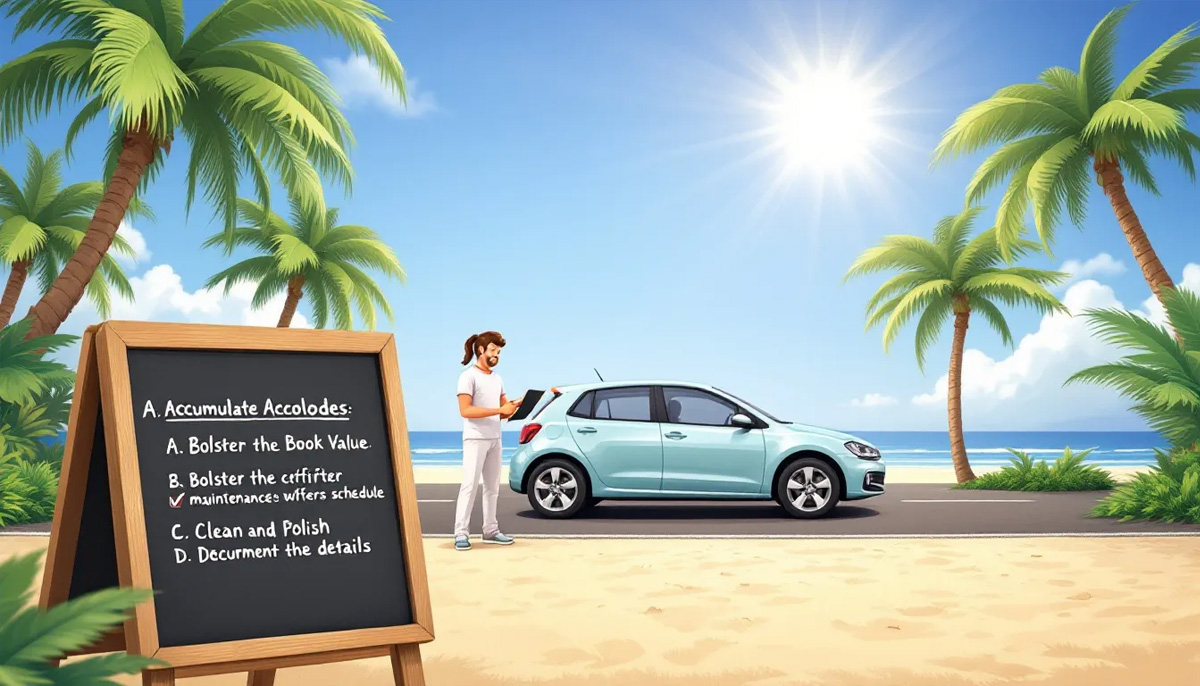
Prior to trading in your car, improving its trade-in value can be achieved with relative ease by paying attention to certain essential aspects. A significant increase in the trade-in price offered by dealerships can result from keeping your vehicle well-maintained through consistent repairs and cleanings. Preparing all relevant paperwork beforehand can expedite the process of trading in and heighten your car’s attractiveness to prospective purchasers.
Improving the trade-in value of a car is manageable when you know which areas require focus.
- Regular maintenance involving repairs and cleaning has a pronounced impact on its overall condition.
- Preparing necessary documentation helps simplify the transaction for both parties involved.
- Enhancing how desirable your vehicle appears to those considering it for purchase will aid negotiation.
As we explore this topic, we’ll outline specific steps that can elevate the trade-in value of your automobile, including executing vital repairs, thoroughly detailing it inside out, and compiling every document needed during transfer negotiations with interested buyers or dealerships seeking new inventory acquisitions.
Perform Necessary Repairs
Rectifying mechanical issues can boost the attractiveness of your vehicle. By resolving concerns such as deteriorating brakes or defective lights, you can avert decreases in your car’s trade-in value. Remedying smaller problems like tire deterioration or brake functionality may increase its appeal to dealerships. While these repairs may come at a cost, they can significantly increase the trade-in value of your vehicle.
Mike’s meticulous records and maintenance substantially improved his vehicle’s desirability when he traded it in. Executing essential repairs guarantees that your car is presented in optimal condition, potentially resulting in more advantageous trade offers from dealerships.
Clean and Detail Your Car
Maintaining a pristine condition for your car can lead to more substantial offers when you trade it in. Opting for professional detailing could significantly enhance the look of your vehicle, which might result in receiving higher proposals during trade-in negotiations. A clean and tidy car leaves an excellent impression as you go through the process of trading it in. This makes it more appealing to those looking for a new set of wheels.
If your vehicle is presented neatly, it has the potential to achieve a superior trade-in value than one that appears neglected. To ensure its visual appeal is at its peak, make sure both interior and exterior are meticulously cleaned. By doing so, you increase the attractiveness of your car to prospective buyers and improve the chances of obtaining a favorable trade-in price.
Gather All Necessary Documents
Ensuring that you have all the necessary documentation is essential for a seamless trade-in transaction. It’s important to assemble key items such as the vehicle title, current registration, and information regarding loan payoff if applicable. Organizing these documents in advance can expedite the trade-in process. Ensure you have digital copies of these documents as well, which can be easily shared via email if needed.
Having these relevant papers prepared not only confirms the authenticity and state of your car for dealerships, but could also result in more attractive trade-in proposals. Being equipped with every required piece of paperwork simplifies matters for both parties, which might encourage dealerships to provide an offer reflecting greater value for your vehicle.
Getting the Best Trade-In Offer in Florida

To ensure you get the most favorable trade-in offer in Florida, it’s essential to engage in thorough market research, capitalize on optimal timing, and solicit multiple offers from different dealerships. Being well-versed with the local car market and knowing when to initiate your trade can significantly increase the value you receive for your vehicle. Vehicles that are in high demand can fetch better trade-in offers, so timing your trade strategically is crucial. Gathering a variety of quotes from several dealerships will allow you to weigh your options and select the best possible deal.
We’ll delve into strategies such as investigating current local market prices for cars similar to yours, pinpointing ideal times during which to execute a car trade-in, and highlighting why it’s crucial to seek out numerous offers before settling on an ultimate decision—all aimed at enhancing your chances of receiving top dollar on your automotive exchange.
Research Local Market Prices
Gathering information on local market rates helps establish reasonable anticipations for your car’s trade-in process. By employing online tools to assess the value of your vehicle, you gain insight into its worth prior to entering discussions with dealerships. Opting to trade in a vehicle when it’s prime selling season may enhance the likelihood of receiving an improved offer as a result of elevated demand. Researching prices in different parts of the country can also provide a broader perspective on your vehicle’s value.
Trading in specific types of vehicles, such as all-wheel-drive models during winter months, might attract higher values owing to stronger seasonal interest. Leveraging this price data can fortify your position when negotiating better terms for your trade-in deal. Being knowledgeable about prevailing local prices is crucial to securing the highest possible return on your car’s value.
Timing Your Trade-In
Selecting the right moment to trade in your car is essential for maximizing its value. The onset of spring is recognized as an optimal time to initiate a car trade, with many consumers looking to upgrade their vehicles following winter. The start of spring is recognized as an optimal time to initiate a car trade. Trading in your vehicle at year-end, especially in December, can be beneficial due to dealerships’ desire to clear out existing stock before introducing new models.
Sarah cleverly timed her vehicle’s trade during a dealership promotional event, which resulted in more competitive offers for her trade-in. During the winter season specifically, trading all-wheel-drive vehicles could be particularly profitable since there tends to be heightened demand amidst colder weather conditions. By strategically planning when you offer your vehicle for trade-in can lead you toward receiving a substantially improved proposal from the dealership.
Shop Around for Quotes
Gathering several trade-in quotes from different dealerships allows for a comparison of offers to identify the most beneficial one. By including proposals from prominent used car dealers such as Carvana and CarMax, you can strengthen your position in negotiations. Careful examination of the terms within the trade-in offer is crucial, as it gives you an informed foundation to negotiate more effectively. Some dealerships may even provide quotes over the phone, making it easier to compare offers.
Engaging in negotiation over trade-in quotes could result in improved offers since dealers might alter their preliminary assessments when faced with competitive values. Ensuring that you receive multiple quotes helps guarantee that you secure the highest possible value for trading in your car.
Real Customer Success Stories
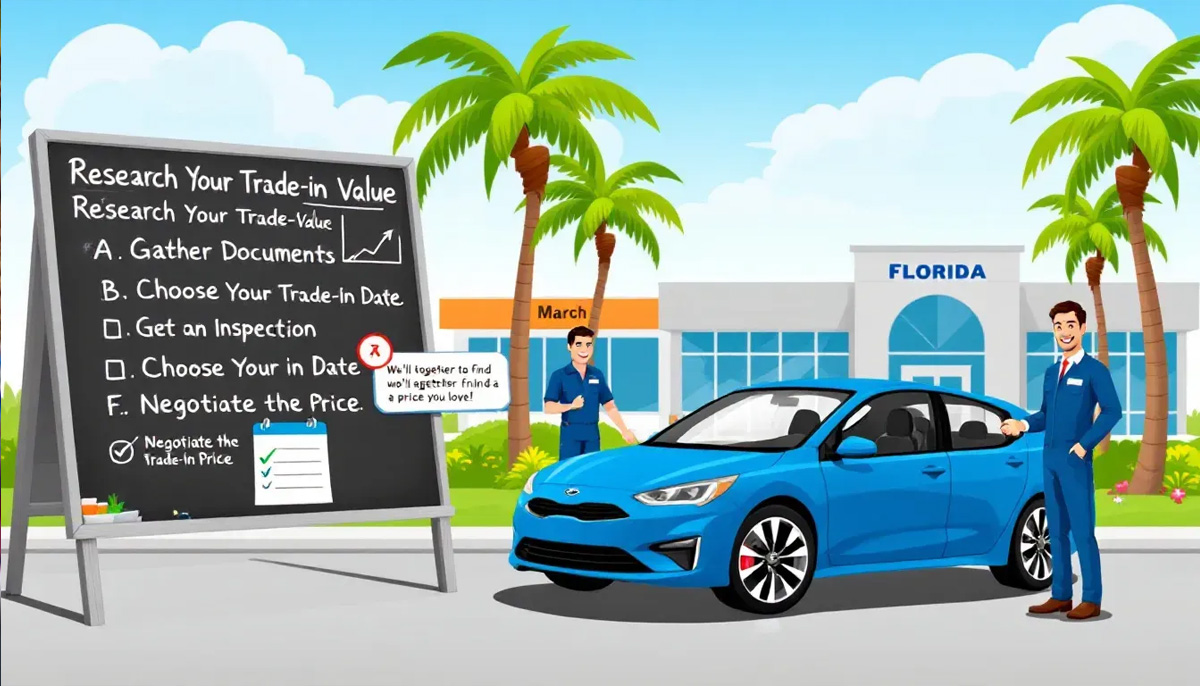
Learning from actual instances where individuals have obtained favorable outcomes from trading in their cars can serve as encouragement, pushing you to secure higher values for your own vehicle trade-ins. The utility of the approaches outlined in this guide is exemplified through these real-life scenarios.
In this part, we recount how John, Sarah, and Mike each experienced triumphant transactions by meticulously readying themselves, choosing the right moment, and conducting thorough market analysis. Their stories highlight the potential for exceptional achievements when trading in vehicles. These stories highlight how different people have successfully navigated the trade-in process.
From Old to New: John's Story
John aimed to exchange his old car for a new vehicle, hoping to minimize the expense from his own funds. He made sure to carry out essential repairs on his car so it would be in proper working order when he traded it in. John’s strategic approach involved taking advantage of current market demand and conducting extensive research, which enabled him to secure an excellent trade-in offer for his vehicle. John’s main reason for trading in his car was to avoid costly repairs and purchase a newer model.
Thanks to the effort he put into getting ready and familiarizing himself with the market conditions, John was able to reduce how much money he had to pay from his pocket towards acquiring a new vehicle. His experience illustrates that preparing your car thoroughly and gaining knowledge about trade-in practices can result in a favorable transaction.
Sarah's Smart Trade-In
If you time your trade-in strategically, especially during times when demand is strong, it can greatly affect the value you’re offered. Sarah capitalized on this by trading in her vehicle when its model was sought after, which resulted in receiving an offer for a higher price than anticipated. From Sarah’s experience, we can learn the importance of timing and market research.
Sarah’s methodical approach of seeking quotes from various dealerships and selecting the optimal moment to trade her car played a crucial role in obtaining a trade-in value that exceeded what she initially expected. Her experience underlines how essential market research and timing are when aiming to enhance the desirability and maximize the value of your vehicle through trade.
The Power of Preparation: Mike's Experience
Maximizing the trade-in value of a car is essential, as it can significantly affect the offers made by dealerships. To improve his vehicle’s appeal and maximize its value, Mike ensured he completed all necessary repairs, addressing not just mechanical issues but also cosmetic damage. Mike’s hard work in preparing his car paid off when he received a higher trade-in offer.
Mike invested time in thoroughly cleaning and detailing his vehicle to enhance its visual attractiveness for prospective buyers. He also compiled all important documents, such as service records and the title of the vehicle, which streamlined the trading process while demonstrating that he maintained good care of his car.
Thanks to Mike’s thorough preparation before trading in his car, he received an offer from a dealership that greatly exceeded what he initially thought possible. His experience underscores how meticulous readiness can lead to exceptional outcomes when negotiating trade-ins.
Final Steps Before Trading In

Prior to completing your trade-in, it’s important to take several key steps for an efficient experience. Make sure you have all required documents ready, reconfirm your appointment, and carefully examine the offer for trading in your vehicle. This preparation can greatly influence the final results of the transaction. Getting ready for buying a new car will facilitate a smooth switch from your current vehicle to the fresh one.
Executing these concluding actions is critical in guaranteeing that you secure optimal value from trading in and are adequately equipped for acquiring your next car. The subsequent parts will explore each step comprehensively.
Confirm Your Trade-In Appointment
Ensure you reaffirm your appointment with the dealership by contacting them a day prior, which helps prevent any unforeseen issues. On the actual day of your scheduled meeting, it’s advantageous to give the dealership another call to confirm the time.
Doing so guarantees that preparations are in place and that the dealership is prepared to evaluate your vehicle promptly, facilitating a streamlined and effective process.
Review Trade-In Offer Carefully
Upon getting an estimate for your vehicle’s trade-in value, it’s essential to meticulously examine the offer given to make sure it meets what you had anticipated. Reflect on various elements like the state of your car and current market trends while assessing the proposed trade-in value. John successfully haggled over his car’s trade in price, which facilitated him buying a new vehicle with only a small extra outlay.
The ability to negotiate effectively can have a substantial impact on the eventual proposal you receive for trading in your car. With careful consideration of the initial quotation and willingness to discuss terms, you can ascertain that you secure a just and competitive price for trading in your automobile.
Prepare for Your New Vehicle Purchase
Before heading to the dealership, make sure you have gathered all essential documents including the vehicle title, registration, and maintenance records. Undertake small repairs that could elevate your car’s trade-in value — consider oil changes, air filter replacements, and repairing minor dents to enhance its appeal and potentially augment the offer for your trade. Deciding whether to trade in or sell your car privately can impact the offer you receive.
Meticulous preparation of paperwork will facilitate a seamless exchange from your current vehicle to purchasing a new one. Arriving at the dealership fully prepared with all required documents in hand and having a definitive strategy for acquiring your new car can expedite the process while minimizing stress.
Summary
To elevate the trade-in value of your vehicle, it’s essential to grasp how that value is determined and adopt measures to make your car more attractive. This includes timely repairs, thorough cleaning and detailing, and having all necessary paperwork ready. These actions can markedly boost the trade-in value of your vehicle. There are various ways to boost your car’s trade-in value, including timely repairs and thorough cleaning.
The positive outcomes achieved by individuals like John, Sarah, and Mike underscore the power of being well-prepared, informed about market conditions, and strategic in timing when trading in a car. Emulating these steps as outlined will enable you to negotiate effectively for top offers on your trade-in. Facilitating a seamless move into a new vehicle with confidence.
Frequently Asked Questions
What factors affect my car's trade-in value?
Your car’s trade-in value is primarily affected by its age, mileage, overall condition, and the current market demand.
Addressing these factors can help you secure a better deal.
How do dealerships determine the trade-in value of my car?
Dealerships determine the trade-in value of your car using industry-standard pricing guides like Kelley Blue Book and by analyzing current market trends and demand for specific models.
This thorough approach ensures a fair valuation based on various factors.
What can I do to increase my car's trade-in value?
To enhance the trade-in value of your car, concentrate on executing essential repairs and ensure that your vehicle is meticulously cleaned and detailed. Compile all pertinent paperwork related to the car.
These actions can significantly impact the trade-in value you are offered for your vehicle.
When is the best time to trade in my car?
The best time to trade in your car is during peak selling seasons, such as spring or the end of the year, when market demand is higher.
This timing can result in better trade-in offers.
Why is it important to shop around for trade-in quotes?
It’s crucial to shop around for trade-in quotes as it allows you to compare offers and select the best deal available, maximizing your potential return.
This proactive approach ensures you don’t leave money on the table.