
Menu
The automotive industry stands at an unprecedented crossroads, where traditional manufacturing powerhouses compete with emerging markets, electric vehicles challenge century-old combustion engines, and advanced technology transforms everything from production lines to driving experiences. This massive sector, encompassing millions of vehicles, thousands of suppliers, and billions of consumers worldwide, is experiencing its most significant transformation since the assembly line revolution.
Understanding these changes is essential for anyone involved in the automotive ecosystem—from engineers and manufacturing professionals to investors and policy makers. The data reveals compelling insights about where the industry is headed and which companies are positioned to lead this evolution.
Let’s examine five critical trends that are reshaping the global automotive landscape and what they mean for the future of transportation.
Global Automotive Manufacturing Landscape
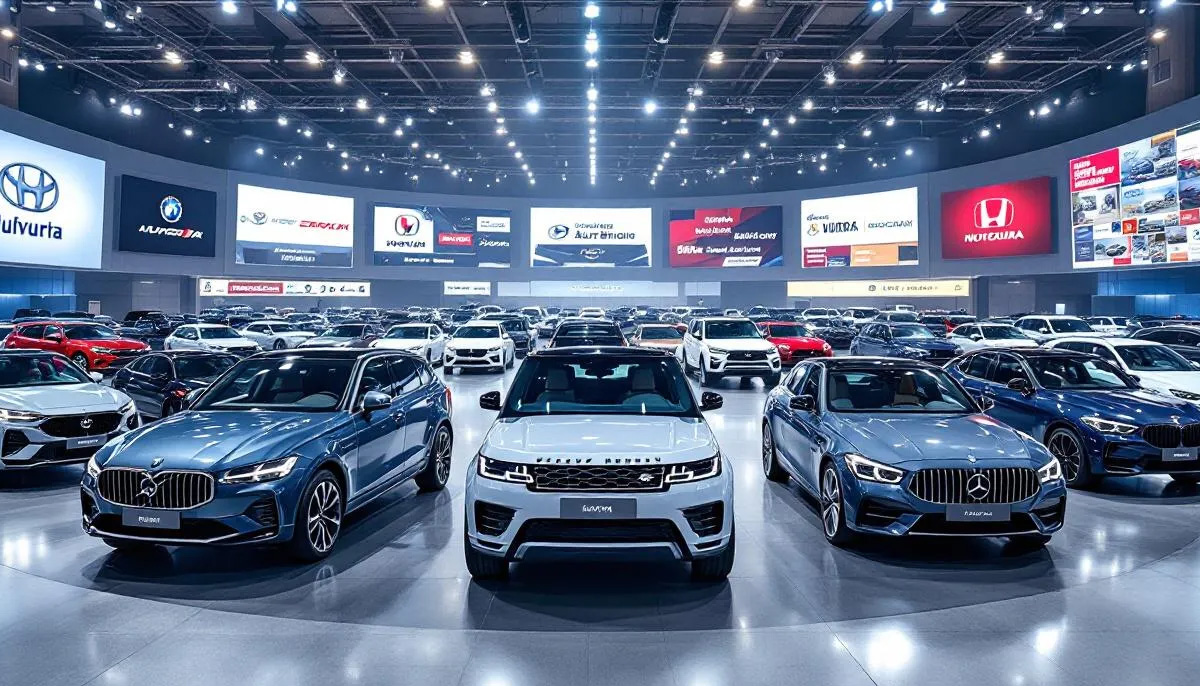
The automotive manufacturing map has undergone dramatic shifts, with Asia-Pacific now commanding 56% of global vehicle production. China maintains its position as the world’s largest producer, manufacturing over 27 million vehicles in 2023—more than double the United States’ 10.6 million units. This dominance reflects not just market size but also strategic investments in infrastructure and supply chain integration that have made Chinese manufacturing sites highly competitive. Environmental impacts of site locations, such as water consumption and legal challenges related to water availability, are increasingly influencing where companies choose to build new automotive manufacturing sites.
The remaining top producers—Japan, Germany, and India—illustrate how both legacy automotive powers and rapidly developing economies contribute to global output. Europe accounts for 21% of production, while North America represents 16%, showing how manufacturing has migrated from traditional Western centers toward Asian markets over recent decades.
This geographic shift affects everything from where companies locate new facilities to how they structure their supply networks. Trade policies and tariffs continue to influence these decisions, with manufacturers constantly evaluating the best locations to serve different markets while managing costs and compliance requirements.
The manufacturing transformation also extends to what types of vehicles are produced. Light trucks and SUVs have gained significant market share globally, while traditional cars face declining demand in many regions. This shift requires manufacturers to update their production capabilities and retool facilities to meet changing consumer preferences.
The Electric Vehicle Revolution
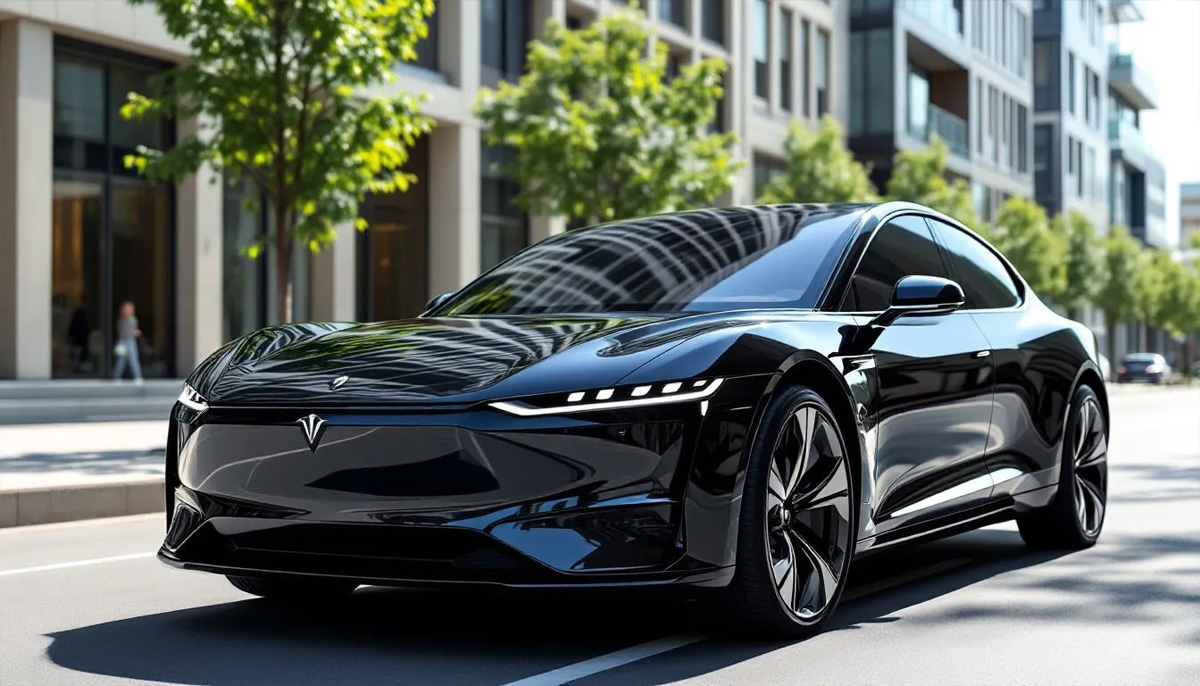
Electric vehicle adoption has reached a critical mass, with global EV sales hitting 14.1 million units in 2023—representing 18% of total vehicle sales worldwide. Battery electric vehicles dominate this segment with a 73% share, while the supporting infrastructure has expanded to over 2.7 million public charging stations globally.
China leads this electric transformation with 8.1 million units sold, followed by Europe’s 3.2 million units. However, recent data suggests Europe may have overtaken China as the largest market for new plug-in electric vehicles in certain periods, highlighting the dynamic nature of this rapidly evolving sector.
The revolution extends beyond sales figures to fundamental changes in how the industry operates. Major companies including General Motors, Ford, and Stellantis have committed billions to EV transition strategies, retooling manufacturing facilities and developing new supply chains for battery production and electric powertrains.
Tesla’s Supercharger network has established dominance in fast-charging infrastructure, setting a standard that other companies must match or exceed. This infrastructure development is crucial for widespread adoption, as consumers need reliable access to charging stations for long-distance travel.
Government policies play a crucial role in this transformation. Many countries have announced bans on new internal combustion engine vehicle sales by 2035, creating regulatory pressure that accelerates the transition. These policies, combined with improving battery technology and falling costs, suggest that EVs will continue gaining market share rapidly.
Supply Chain Challenges and Sustainability
The automotive supply chain represents one of the most complex global networks in any industry, involving over 18,000 suppliers worldwide. The semiconductor shortage of 2021-2022 exposed critical vulnerabilities in traditional just-in-time manufacturing approaches, forcing companies to reconsider their sourcing strategies and build more resilient supply networks.
This experience prompted a fundamental shift from just-in-time to just-in-case approaches for critical components. Manufacturers now maintain larger inventories of essential parts and diversify their supplier base to reduce dependency on single sources. The change affects everything from production planning to facility design, as companies allocate more space and capital to inventory management.
Trade tensions and tariffs add another layer of complexity to supply chain management. Recent trade policies, particularly those affecting automotive trade between major markets, create uncertainty that companies must navigate carefully. These policies can quickly change the economics of where vehicles are assembled and which suppliers are most cost-effective.
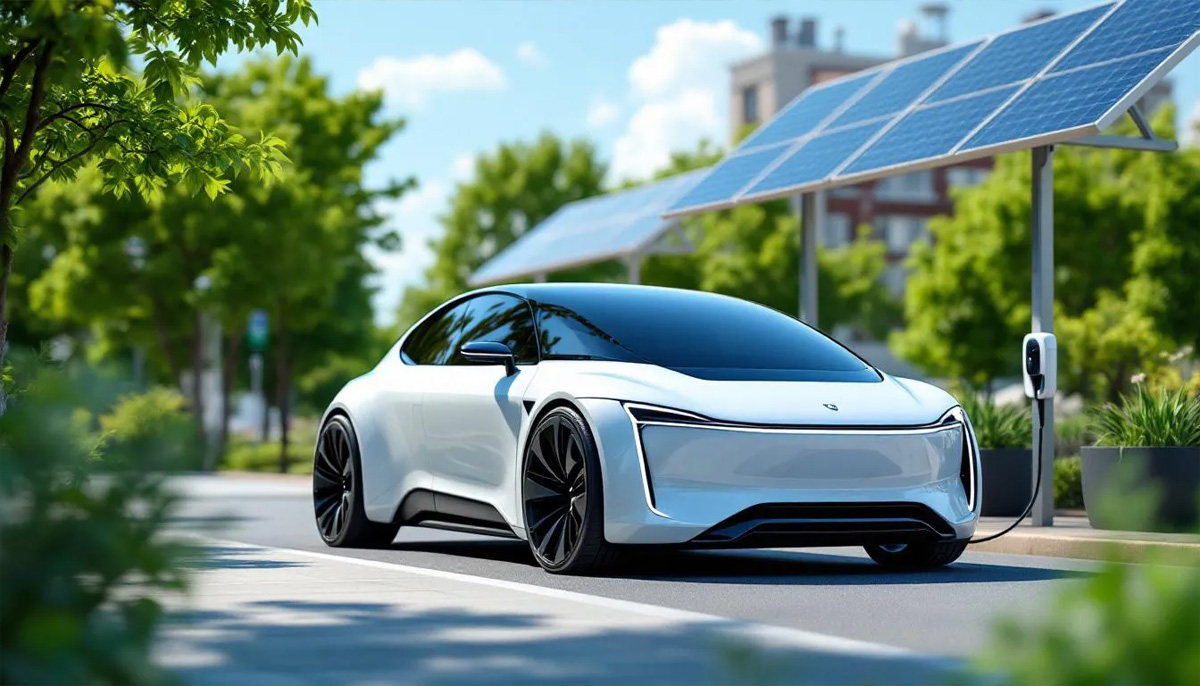
Sustainability has become central to supply chain strategy, with most major manufacturers targeting carbon neutrality by 2040. This commitment drives circular economy initiatives, including large-scale recycling programs for batteries and other materials. Companies are also transitioning manufacturing sites to renewable energy sources and implementing water conservation measures, with industry goals typically targeting a 30% reduction in water consumption per vehicle by 2030.
The push for sustainability extends to supplier relationships, with manufacturers increasingly requiring suppliers to meet environmental standards and provide transparent reporting on their sustainability practices. This creates a ripple effect throughout the supply network, as smaller suppliers must invest in cleaner technologies and processes to maintain their relationships with major automotive companies.
Consumer Trends and Market Dynamics
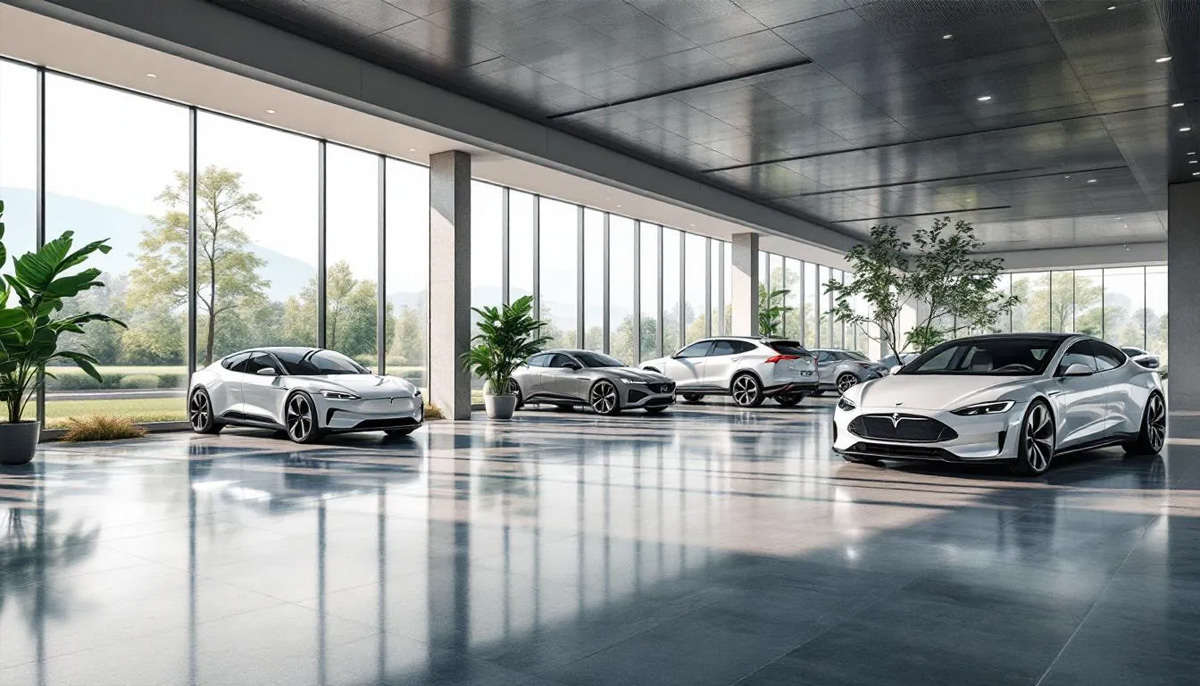
Consumer behavior in the automotive sector has evolved dramatically, driven by digital technology adoption and changing lifestyle preferences. Approximately 40% of consumers now use digital channels for vehicle research, while 15% complete their entire purchase process online. This digital shift has particularly strong adoption among younger demographics and urban users who value convenience and price transparency.
Global vehicle sales are projected to reach 95-99 million units by 2025, with growth primarily driven by emerging markets where expanding middle classes represent the next major opportunity. A recent industry study, such as the J.D. Power Automotive Market Report, supports these projections and highlights ongoing trends in consumer preferences and market expansion.
However, economic pressures including high vehicle prices and consumer debt levels create headwinds that could affect this growth trajectory.
The used vehicle market remains robust, with elevated prices reflecting strong demand and limited supply. This trend affects new vehicle sales as some consumers delay purchases or seek alternative transportation solutions. The relationship between new and used vehicle markets has become increasingly important for understanding overall industry dynamics.
Mobility-as-a-service (MaaS) and subscription models are gaining traction as alternatives to traditional ownership, particularly in dense urban areas. These models allow users flexible access to vehicles without the long-term commitments and maintenance responsibilities of ownership. While still a small portion of the overall market, these services represent a significant shift in how some consumers think about transportation.
The subscription model appeals especially to city dwellers who may not need daily vehicle access but want the flexibility to use different types of vehicles for different purposes. Some manufacturers have launched their own subscription services, recognizing this as a potential growth area that could complement traditional sales.
Technology Advancements in the Automotive Industry
Technology integration has reached a stage where advanced features are becoming standard rather than premium options. Advanced Driver Assistance Systems (ADAS) now appear in 78% of new vehicles sold globally, encompassing features like adaptive cruise control, lane-keeping assist, and automated emergency braking. These systems represent a stepping stone toward higher levels of vehicle autonomy.
Autonomous driving technology continues progressing through defined levels, with Level 2 and Level 3 systems becoming common in premium segments and gradually expanding to mass-market vehicles. The development requires sophisticated integration of sensors, software, and artificial intelligence, creating new opportunities for technology companies and traditional automotive manufacturers alike.
Connected car technology has transformed the relationship between vehicles and their users. Over-the-air updates now allow manufacturers to improve vehicle functionality, fix software issues, and even add new features after purchase—similar to smartphone app updates. Remote diagnostics and telematics enable predictive maintenance, reducing downtime and improving the overall ownership experience.
Vehicle-to-everything (V2X) communication represents the next frontier in automotive technology. This capability allows vehicles to communicate with each other, traffic infrastructure, and other elements of the transportation system. The technology promises improvements in traffic flow, safety, and energy efficiency, though widespread implementation requires coordination between manufacturers, infrastructure providers, and government agencies.
Manufacturing processes are also being revolutionized by Industry 4.0 technologies including robotics, data analytics, and digital twins. These innovations support the increasing complexity of modern vehicles while driving down costs and enabling mass customization. Engineers can now simulate and optimize production processes before building physical facilities, reducing time to market and improving efficiency.
Safety standards like ISO 26262 ensure that these technological advances meet rigorous functional safety requirements. The current state of safety in the automotive industry underscores the importance of maintaining high safety standards and regulatory compliance as technology continues to evolve. As vehicles become more software-dependent, cybersecurity has become a critical concern requiring ongoing attention and investment from manufacturers.

Innovation and Collaboration: Driving the Next Wave
Innovation and collaboration are rapidly becoming the cornerstones of the automotive industry’s next stage of evolution. As companies, suppliers, and users navigate a landscape defined by shifting consumer preferences and technological disruption, the ability to share information and work together has never been more essential. Light trucks and SUVs, for example, continue to dominate sales data, prompting manufacturers to rethink their product strategies and invest in updated manufacturing processes that can adapt to changing market demands.
Data-driven decision-making is now standard across the industry, with companies leveraging real-time insights to optimize everything from supply chain logistics to customer service. The use of advanced search tools and digital platforms allows users and engineers to access protected, up-to-date information, ensuring that everyone from city planners to service technicians can make informed choices. This access to essential data not only streamlines operations but also supports compliance with evolving regulations and sustainability standards.
Collaboration extends beyond company walls, as manufacturers and suppliers form strategic partnerships to accelerate innovation. Toyota, for instance, has set a benchmark by working closely with global suppliers to develop more sustainable powertrains and manufacturing techniques. These efforts are particularly significant in regions like China, where manufacturing power and market size are driving the future of transportation. Companies that understand and adapt to local market dynamics are better positioned to deliver products and services that meet the unique needs of users in each city and region.
The role of media and digital platforms is also expanding, providing a stage for companies to share insights, learn from industry studies, and engage directly with users. Social media and online communities have become essential channels for gathering feedback, sharing updates, and building brand loyalty. As the industry becomes more transparent, users expect timely, accurate information about everything from vehicle compliance to sustainability initiatives.
Sustainability remains a top priority, with companies investing in new technologies to reduce emissions and improve fuel efficiency. The push for greener transportation is not just about meeting regulatory requirements—it’s about responding to user demand for cleaner, more efficient vehicles and services. As manufacturing sites adopt renewable energy and circular economy practices, the industry is setting new standards for environmental responsibility.
Looking ahead, the future of the automotive industry will be shaped by those who embrace change, foster collaboration, and leverage data to drive continuous improvement. By working together and sharing essential information, companies can navigate the complexities of a global market, adapt to new compliance standards, and deliver innovative solutions that meet the evolving needs of users. The next wave of automotive transformation is already underway, and those who understand and act on these trends will help create a more sustainable, connected, and dynamic industry for years to come.

The Road Ahead: Interconnected Transformation
The automotive industry’s future will be shaped by the convergence of these five trends rather than any single development. Electric vehicle adoption will continue accelerating, supported by expanding charging infrastructure and government policies. Manufacturing will likely become more regionalized as companies balance cost optimization with supply chain resilience and trade policy considerations.
Technology will play an increasingly central role, not just in vehicles themselves but in how they’re manufactured, sold, and serviced. The companies that successfully navigate this transformation will be those that can integrate these various trends into coherent strategies that serve evolving consumer needs while meeting sustainability and regulatory requirements.
The data clearly shows an industry in transition, with traditional boundaries blurring between automotive manufacturers, technology companies, and service providers. Success in this environment requires understanding not just individual trends but how they interact and reinforce each other.
For professionals working in or with the automotive sector, staying informed about these developments isn’t just helpful—it’s essential for making strategic decisions in an rapidly evolving landscape. The industry’s transformation represents both challenges and opportunities for those positioned to understand and adapt to change.
As we look toward 2025 and beyond, the automotive industry will continue evolving at an unprecedented pace. The companies and professionals who thrive will be those who can learn from current trends, anticipate future developments, and adapt their strategies accordingly. The future of automotive isn’t just about cars—it’s about reimagining transportation for a connected, sustainable, and technologically advanced world.